Arabic marketing
Arabic content marketing: adapt the offer, not just the words
Build an Arabic campaign brief around audience, promise, proof and action, then test what people actually understand.
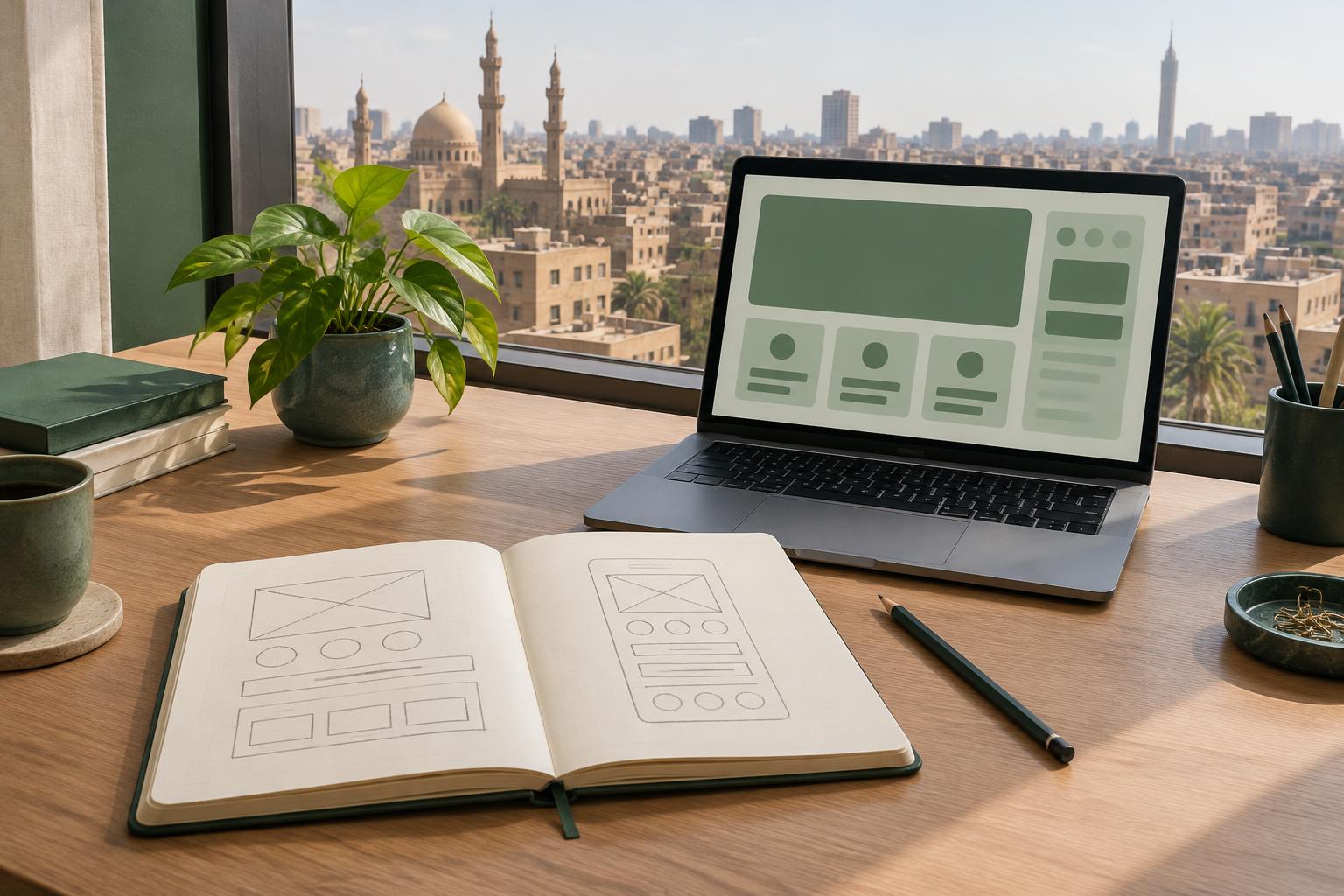
A translated campaign can be grammatically correct and still leave the reader unsure what is offered. Arabic content marketing starts with the audience’s decision: what do they need to understand, trust and do next? Translation is one part of that work, not the whole process.
Write a local audience brief
Name the market, audience, product context and intended action. Do not prescribe a dialect because “it sounds local.” Decide whether Modern Standard Arabic, a local register or a combination fits the setting, then validate that choice with intended readers. An educational article, a product error message and a social caption need not use the same tone.
Protect the promise and its evidence
Before writing, separate the offer into four parts: audience, promise, supporting evidence and action. Preserve the meaning, not the English sentence structure. Use only claims the business can substantiate. If a customer story or result is unavailable, explain the process or deliverable rather than inventing a testimonial or performance number.
Adapt copy and creative together
Give an Arabic writer the context, not a spreadsheet of isolated phrases. Review headlines, examples, imagery and landing-page order as one journey. Check line breaks, reading direction and mixed-language brand names. Keep necessary technical terms consistent; explain unfamiliar ones instead of adding English to make the copy appear authoritative.
Test comprehension before optimizing clicks
Ask intended readers: what is this offering, who is it for and what happens after the button? Avoid leading questions such as “Is this clear?” If people give conflicting answers, refine the promise before spending more on distribution. When comparing variants, change one important element and choose a signal tied to the goal, such as qualified inquiries rather than reactions alone.
Keep the next step consistent
The social post, article and landing page should describe the same offer. A helpful Instagram caption can open a conversation, while the linked page supplies context and the booking form collects a clear challenge. Do not imply urgency, availability or results that the business has not confirmed. Review the full path in Arabic on a phone, including the confirmation message.
A reusable campaign brief
Audience and market. Problem in the audience’s own words. Offer and evidence available today. Tone and terminology to use. One desired action and how it will be measured. Questions to validate with readers.
Further reading
W3C internationalization tips cover language, local formats, cultural bias and preparation for translation: https://www.w3.org/International/quicktips/
For a marketing consultation, bring one existing campaign, its landing page and the questions readers still ask. That gives the review a concrete starting point.